
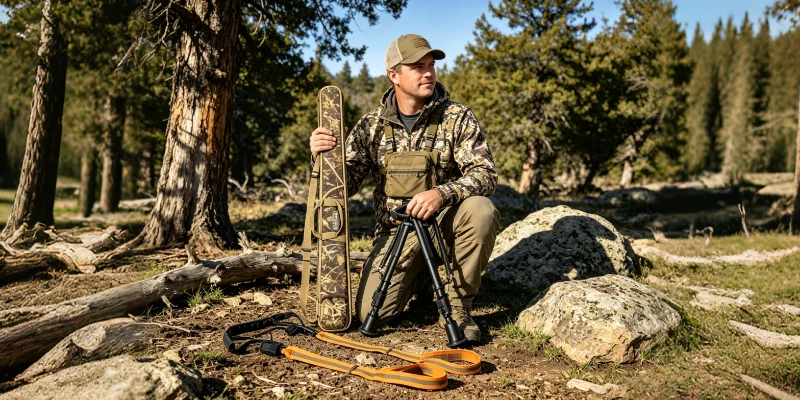
Sourcing hunting equipment for wholesale isn’t just about chasing the lowest price. B2B buyers, dealers, and distributors need suppliers who keep inventory flowing, ship on time, and offer a product lineup that actually fits what customers want—especially as seasons change. The real difference between a solid wholesale partner and a frustrating one? It’s not just about how many products they offer, but how reliable, flexible, and fair they are with pricing and support.
The global market for hunting supplies covers everything from archery gear and optics to apparel and camping accessories. Dealers have to keep shelves stocked before busy seasons hit, all while watching their margins. Wholesale prices can jump around depending on order minimums, dealer program rules, and whether you’re buying direct from the manufacturer or through a middleman.
Whether you’re building out a retail assortment, managing a pawn shop, or sourcing for your own private-label line, this guide gives you a hands-on way to size up suppliers, compare product categories, and avoid common sourcing headaches.
How To Evaluate Wholesale Hunting Suppliers
Evaluating suppliers is about more than just comparing price lists. The best wholesale partners bring together a wide product range, fair prices, reliable shipping, and real account support—without making you jump through hoops.
Product Range Across Hunting, Archery, Camping, And Optics
A good wholesale supplier covers the main categories buyers need all year. Here’s what to look for:
- Hunting:Game calls, scent control, blinds, and other essentials
- Archery:Bows, arrows, broadheads, releases, targets
- Camping:Shelters, sleeping systems, fire-starting tools, backpacks
- Optics:Scopes, rangefinders, binoculars, red-dot sights
If a supplier’s catalog is too limited, you’ll end up juggling multiple vendors just to fill gaps—never fun. The broader the product mix under one roof, the easier your life gets. Also, check how often they add new products and if they stock up on seasonal items before the rush.
Wholesale Pricing Models, Minimums, And Margin Considerations
Wholesale pricing usually falls into three buckets: tiered volume pricing, flat dealer pricing, or special negotiated terms for big accounts. With tiered pricing, bigger orders get you a better deal per unit—nice if you’re moving volume.
Minimum order quantities (MOQs) can be all over the place. Some places keep them low to attract smaller shops, others want a big commitment up front. Always figure out your landed cost, including freight, handling, and any drop-ship fees, before comparing numbers.
Shipping Speed, Inventory Availability, And Order Reliability
Late shipments, especially before peak season, can seriously hurt your sales. So, when you’re checking out a supplier, ask about:
- Average order processing times
- If you can see real-time inventory online
- How they handle back-orders and how quickly they restock
Larger distributors often have warehouse operations and sometimes offer free shipping for qualifying orders. Consistency is key, though—a supplier who always ships in five business days is more valuable than one promising two but missing the mark half the time.
Customer Service, Account Support, And Customer Service Representatives
Good customer service can save you a lot of headaches. Before you commit, try reaching out with a few questions—see how fast they reply and if you get a dedicated account rep or just end up in a call queue.
The best suppliers assign you an account manager who actually knows the product catalog, understands seasonal trends, and can give you a heads-up about new arrivals or promos. Bad customer service? That usually shows up as slow replies, unhelpful responses to order issues, and inflexible return policies.
Manufacturer Relationships, Dealer Programs, And Featured Products
Suppliers working directly with manufacturers tend to offer better prices, earlier access to new products, and more reliable inventory. Always check if a supplier is an authorized distributor for the brands you want.
Dealer programs can be a game-changer. Some offer volume rebates, co-op advertising, or let you feature products at trade shows. For example, some distributors host trade shows where you can see new products and place orders for the upcoming season—these events can be worth it for the networking alone.
Key Product Categories And Buying Considerations
Seasonal demand, compliance needs, and return policies all shape how you should approach product categories. A smart category plan helps you avoid overstock and keeps sell-through healthy.
Core Hunting Accessories And Seasonal Best Sellers
Hunting accessories move steady volume throughout the year. Here are some key categories to keep an eye on:
| Category | Examples | Peak Season |
| Scent control | Sprays, clothing, cover scents | Fall (deer season) |
| Game calls | Electronic and mouth calls | Fall and spring |
| Trail cameras | Cellular and standard units | Summer/pre-season |
| Knives and tools | Fixed blade, folding, multi-tools | Year-round |
| Archery accessories | Sights, rests, release aids | Summer/early fall |
| Optics | Scopes, rangefinders, binos | Year-round |
| Apparel | Camo, base layers, outerwear | Fall/winter |
It’s smart to watch your sales data by category and set up reorder triggers before you run out. Trail cameras and archery gear usually sell early, while apparel and scent control peak closer to the start of hunting season.
Compliance, Returns, Warranty, And Privacy Policies
B2B buyers in the hunting products space have to deal with some compliance stuff. Even for non-regulated hunting items, state-level rules can apply depending on what you’re selling and where.
Always read the supplier’s return policy before placing big orders. Some only take back defective items, while others let you rotate stock within a certain timeframe. Warranty terms—especially whether the manufacturer’s warranty passes through to your customer—should be clear and in writing.
And when it comes to privacy, make sure any ordering platform you use protects your business data and doesn’t share it with random third parties.
Comparing Suppliers With A Practical B2B Scorecard
Using a simple scorecard to rank suppliers before picking your main partners makes sense. It helps you avoid choosing someone based on price alone, which is rarely the best move.
| Criteria | Weight | What To Assess |
| Product range | High | Coverage across core categories |
| Pricing and MOQs | High | Competitive tiers, realistic minimums |
| Shipping reliability | High | Processing time, carrier options, free freight thresholds |
| Inventory visibility | Medium | Real-time stock data, back-order alerts |
| Customer service | Medium | Response time, dedicated reps |
| Dealer programs | Medium | Rebates, trade show access, co-op support |
| Manufacturer authorization | Medium | Authorized distributor status for key brands |
| Returns and warranty | Low-Medium | Policy clarity, stock rotation terms |
| Compliance support | Low-Medium | Documentation assistance |
Score each supplier from 1 to 5 in each category. Platforms like Singland’s hunting products section can help you benchmark product variety. The goal? Find a supplier who scores well across the board—not just the cheapest option for one thing.
Frequently Asked Questions
Where Can I Find Reliable Suppliers For Bulk Hunting Gear?
National distributors, global trade platforms, and manufacturer-direct programs are usually the most reliable ways to source bulk hunting gear. Distributors with real warehouse operations and clear shipping programs are often more consistent than small brokers. If you can, visiting industry trade shows is a great way to meet suppliers face-to-face and compare their product lines directly.
What Should I Look For When Evaluating The Quality Of Hunting Gear In Bulk?
First, check if the supplier is authorized for the brands you want—this helps you avoid knockoffs and ensures warranty support. Always ask for samples before making big buys, and compare the specs to what the manufacturer publishes. For high-volume items like optics or archery gear, consistency across shipments is just as important as the first sample.